
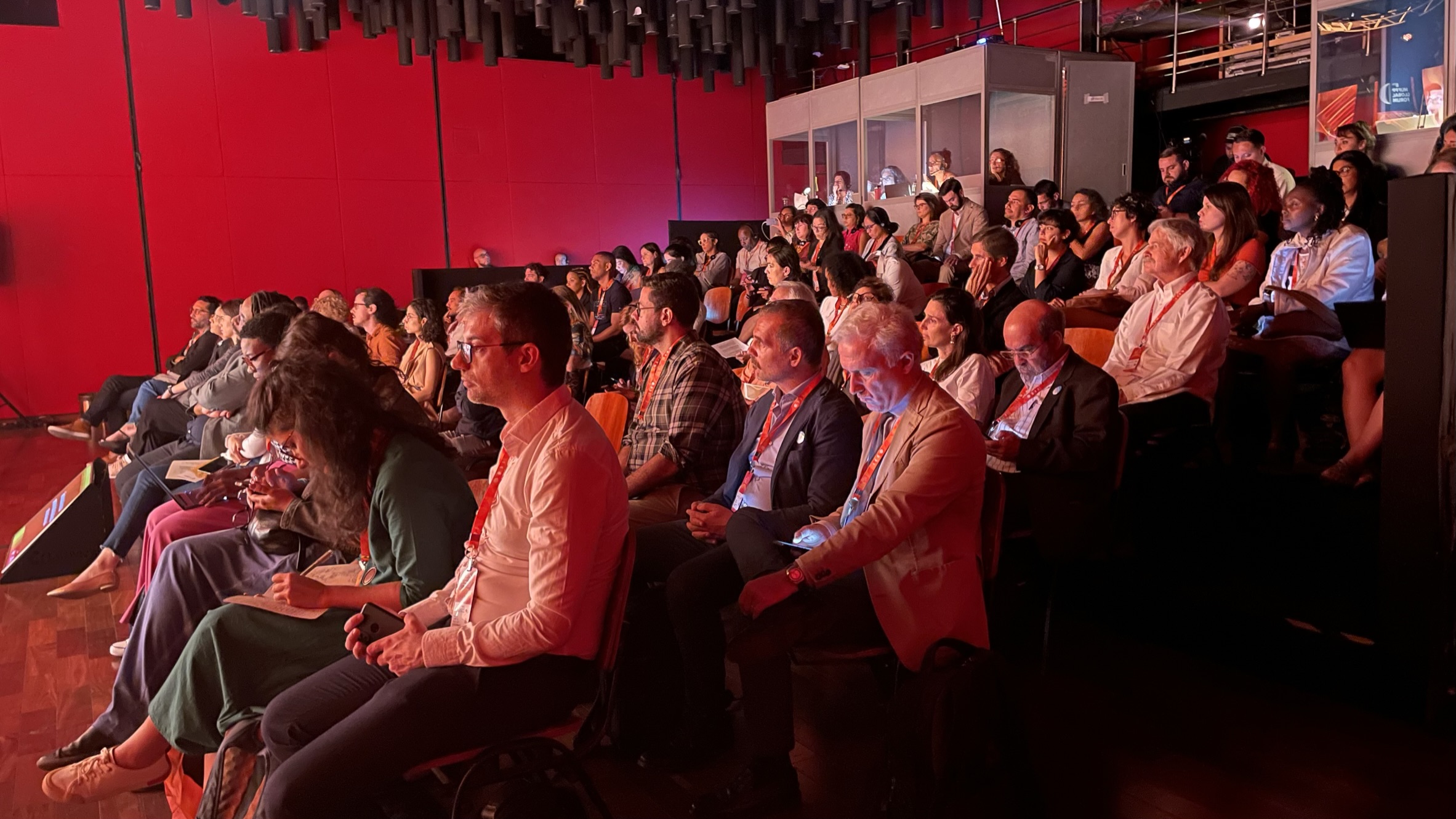
Addressing concrete problems and promoting solutions among cities – based on the various agendas related to food. This was the basic premise of the Milan Urban Food Policy Pact, a commitment signed by 100 cities in 2015, during Expo Milano, under the motto “Feeding the Planet, Energy for Life”. The commitment was conceived in 2014 by the then Mayor of Milan, during an event in the city of Johannesburg with the Summit of the C40 Cities Climate Leadership Group. The text of the Pact was drafted in partnership with several cities – in consultation with the United Nations (UN), with special attention from FAO – the agency focused on food and agriculture – as well as C40 and the European Union (EU). Every year the signatory cities (today there are 240) meet for the Milan Pact Global Forum. Rio de Janeiro – which joined the Pact in 2016 and hosted the Latin American regional meeting in 2019 – will host, this year, the 8th MUFPP Global Forum (the English acronym for the agreement). On October 17, 18 and 19, 2022, under the theme “Food to Nourish Climate Justice: Urban Food Solutions for a fairer world”, cities from all over the world will meet and debate possibilities for advancing their food agendas. It is the first time a city from the Global South hosts the Global Forum. The experience of LUPPA – Laboratório Urbano de Políticas Públicas Alimentares (Urban Laboratory of Public Food Policies) will be shared on the panel “Toward sustainable governance of urban food systems in Brazil and Latin America“, on October 18, at 10:15 a.m., at an event restricted to Pact guests. It will be an opportunity to present experiences of integrated, participatory municipal food policies with a systemic approach. The panel will feature representatives from Araraquara, Curitiba, Niterói, Maricá, Rio Branco and Salvador, cities that are part of LUPPA, and a representative from FAO, and will examine the role of local governments in building fairer, more sustainable and circular food systems. Currently, 240 cities around the world are signatories of the Milan Pact. In Brazil, the municipalities of Araraquara, Belo Horizonte, Curitiba, Osasco, Porto Alegre, Recife, Rio de Janeiro and São Paulo have signed the MUFPP commitment. Both the regional and global events offer cities from all over the world the opportunity to exchange knowledge, build partnerships and celebrate progress in implementing their food policies through the Milan Pact Awards. “The exchange of knowledge and experiences shared among cities around the world accelerates the development of public policies, thus enabling more efficient urban food systems,” says Mónica Guerra, director of Instituto Comida do Amanhã. To follow the progress of the food agendas of the Pact’s signatory cities, it was necessary to have indicators to measure the impacts of the measures produced and to see how each municipality is evolving. In 2019, FAO and the Pact Secretariat worked together to develop indicators and methodological guidelines to monitor the actions recommended by the Milan Pact – always guided by the needs, capacities and obligations of each city – the Milan Pact Monitoring Framework. LUPPA has increasingly proven to be a platform that works on urban food agendas while producing data and content on municipal experiences. “The institute’s work together with the municipalities puts us in a position to present experiences and results related to the development of public food policies and share them with the other cities and organizations present at the event,” says Francine Xavier, director of Comida do Amanhã. The Milan Pact and its monitoring framework¹ are reference frameworks for LUPPA – from the conception to the execution of the project. The director of Instituto Comida do Amanhã and general coordinator of LUPPA, Juliana Tângari, highlights the importance of the event being held in Brazil as a great opportunity to definitively place the urban food agenda on the agenda of Brazilian cities. “The Milan Pact is a reference for us, a global commitment to the urban food agenda and to very serious work in advancing the construction of indicators and the monitoring of municipalities’ actions. We will have the chance to learn about experiences from cities all over the world, learn from them and also share where we have already made progress. Cities have increasingly positioned themselves as protagonists in the transformation of food systems, and it is with great joy and anticipation that we will bring a bit of this experience to the meeting,” Juliana emphasizes. The eighth global edition of the event will give governments, civil society and international organizations the opportunity to take part in plenaries, parallel sessions, interactive activities and the Milan Pact Awards Ceremony, where some municipalities will be awarded resources and visibility for their public food policy initiatives. Rio de Janeiro was previously awarded an honorable mention for its urban agriculture project – Hortas Cariocas. During the event, city delegates and other participants will have the opportunity to exchange, debate and learn about the multiple impacts and opportunities for transforming urban food systems, and to explore how food can be a lever for achieving a fairer world – starting from cities. ¹The MUFPP Monitoring Framework, finalized and presented in 2019, lists a series of indicators aligned with the Pact’s six work streams, which address Governance, Sustainable diets and nutrition, Social and economic equity, Food production, Food supply and distribution, and Food waste. These categories determine the outcome areas and suggest recommended actions for each participating city working to monitor everything related to food systems.