
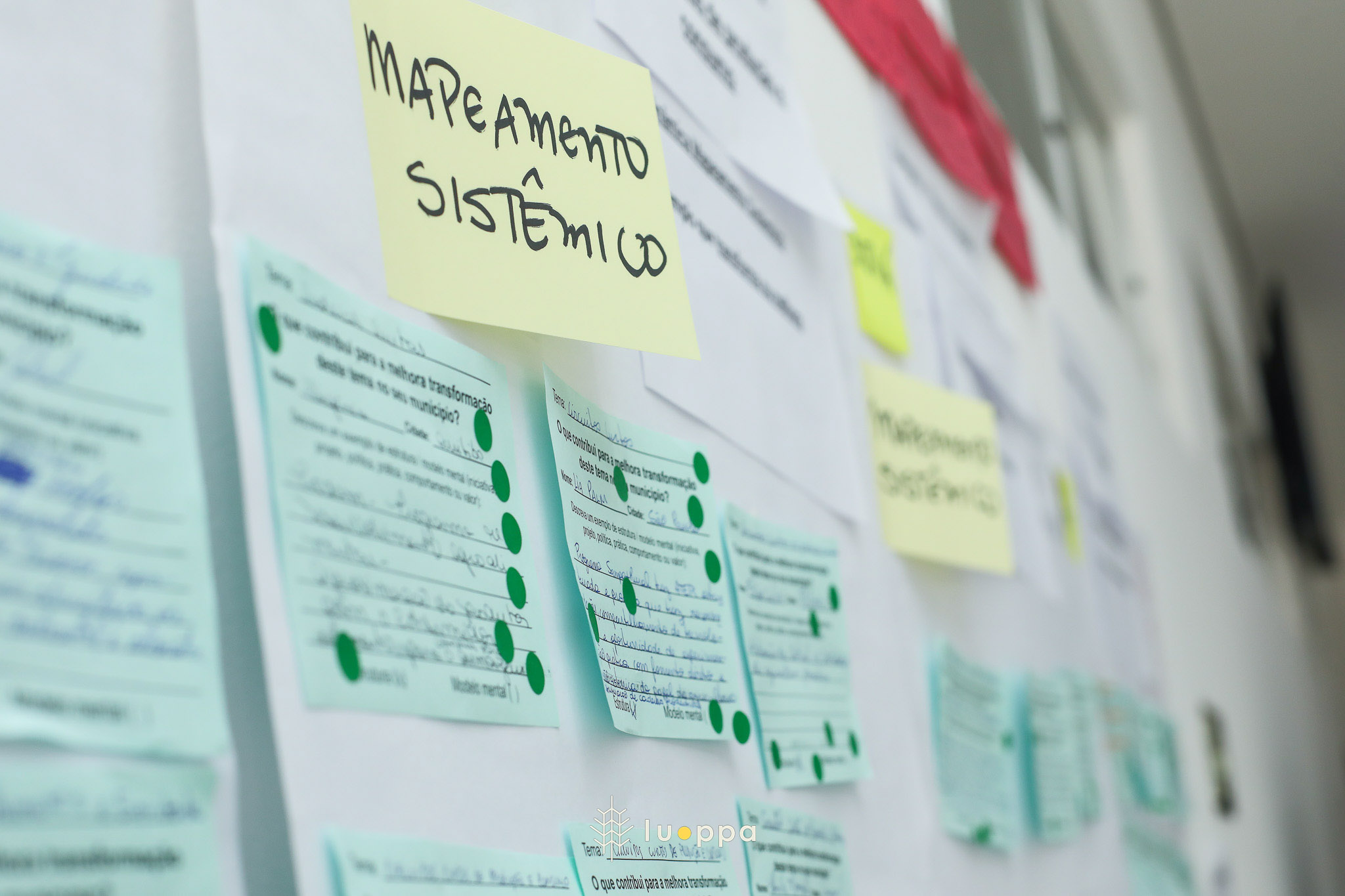
LUPPA LAB #4, the largest food public policy lab in the world, will take place May 19–23. During the event, representatives of the cities that make up the program will gather in Barcarena (PA) to discuss the issues on the urban food agenda. This year’s edition is organized by Comida do Amanhã, co-organized with Iclei Brasil and the City of Barcarena, with support from Gás Pará and Hydro. The opening, for invited guests, will be held at the city’s Complexo Comercial (Commercial Complex), and the remaining days of the LAB will take place at Escola Checralla Salim Khayat, exclusively for municipal officials participating in LUPPA. The program for this edition includes roundtables with municipal authorities, experience-sharing workshops, diagnostic workshops, workshops focused on developing Food and Nutrition Security (FNS) plans, and visits to Barcarena’s FNS facilities. The Complex opened in 2023 and brings together vendors of locally produced food and snack bars in a 10,257.16 m² space. Located on the city’s waterfront, the space is a Food and Nutrition Security (FNS) facility, secures the income of 522 families, and hosts events such as the 1st Barcarena Cocoa and Chocolate Fair. The city’s FNS policies include initiatives such as the Programa Municipal de Aquisição de Alimentos (PMAA – Municipal Food Acquisition Program), which benefits families in vulnerable situations with food from local family farming and brings fresh food to municipal hospitals through PMAA Saúde. Family farming is also monitored through the Municipal Monitoring System (SISMMAF), which provides technical assistance and supports production. Some of Barcarena’s other food policies are the law encouraging urban and peri-urban agriculture; IPTU VERDE, a type of tax incentive related to food systems issues; the city’s resilience or climate action plan; and the Municipal Council for Food and Nutrition Security (COMSEA), two-thirds of whose members are from civil society. The municipality also strengthens farmers’ markets with free transport of family farm produce, improves rural roads, and builds wooden walkways in riverside communities. About LUPPA LAB The LAB is the main stage of the entire LUPPA journey, which has been running since 2021. Participating cities will be able to fully immerse themselves in the urban food agenda and advance their policies and programs from a systemic, intersectoral and participatory perspective. The objectives of this year’s edition are: 1) Strengthen cities’ capacities to build, develop or improve FNS Plans and prepare the PPA (Multi-Year Plan) with a systemic, intersectoral and participatory vision 2) Learn about LUPPA’s approaches and tools and develop capacities for listening and dialogue, systems thinking, intersectoral action and collaboration 3) Deepen understanding of LUPPA’s priority themes and inspire innovative actions by sharing successful experiences and programs in the field of food systems 4) Enhance the roles of the various actors (civil society and government) and develop understanding of how municipal budgets are built 5) Strengthen relationships among participants and strengthen the support community 6) Give visibility to the agenda, placing it at the center of municipal agendas 7) Address the climate agenda and develop elements for a cities’ position for COP 30 This edition features mentoring from the cities of Belo Horizonte, Curitiba, Osasco, Recife and São Paulo and from the organizations: Cátedra Josué de Castro, Instituto Comida e Cultura, Grupo de Estudos, Pesquisas e Práticas em Ambiente Alimentar e Saúde (GEPPAAS/UFMG), Grupo de Estudos em Agricultura, Alimentação e Desenvolvimento (GEPAD/UFRGS), Instituto Brasileiro de Defesa do Consumidor (Idec), Grupo de Políticas Públicas (GPP/USP), Instituto Regenera, Instituto Kairós, and Laboratório de Vida Ativa (LaVA). During the event, participating municipalities will be selected for mentoring that will take place after the LAB. LUPPA LUPPA is a program of Instituto Comida do Amanhã, co-organized with ICLEI Brasil. It receives full support from Instituto Ibirapitanga, ICS – Instituto Clima e Sociedade, ITAÚSA, Fundação José Luiz Egydio Setúbal and Porticus, as well as institutional support from FAO Brazil – Food and Agriculture Organization of the United Nations and methodological partnership from Reos Partners Brasil.