
Edition of the world’s largest public food policy laboratory takes place in Caxias do Sul
With the aim of strengthening urban food policies through a systemic, collaborative and action-oriented approach, the LUPPA program – Laboratório Urbano de Políticas Públicas Alimentares (Urban Laboratory of Public Food Policies), [...]
31/07/2026
|
35
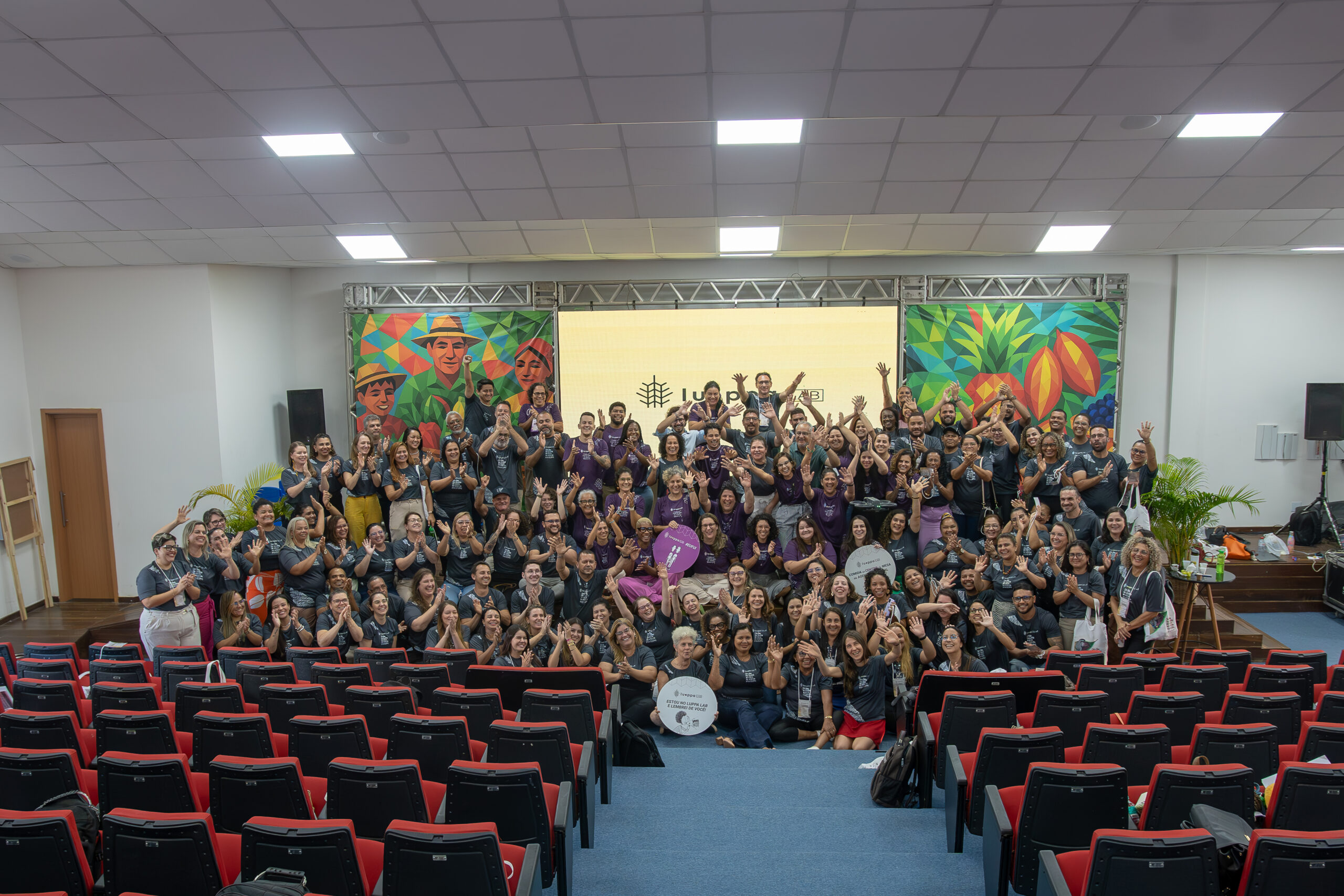
With the aim of strengthening urban food policies through a systemic, collaborative and action-oriented approach, the LUPPA program – Laboratório Urbano de Políticas Públicas Alimentares (Urban Laboratory of Public Food Policies), considered the largest public food policy laboratory in the world – is holding the fifth edition of LUPPA LAB from May 18 to 22, in Caxias do Sul (RS). Conceived by Instituto Comida do Amanhã and co-implemented with ICLEI Brasil, the event brings together representatives from more than 40 municipalities and around 100 public officials from different regions of the country for an immersion focused on training and the exchange of experiences on the urban food agenda.
For LUPPA LAB #5, the initiative is co-implemented with the City of Caxias do Sul, sponsored by Caixa Econômica Federal and the Fundação Gaúcha dos Bancos Sociais, and supported by the Universidade de Caxias do Sul (UCS), UNIMED, PHD Guindastes, G. Paniz, RS Garanti, Roni Chaves, Vinícola Cantina Tonet, Elan Água, Swan Hotéis, Hotel Letto Caxias do Sul, TRI Hotéis, SEGH Uva e Vinho, Di Paolo Brasil and Artes Flores Móveis, in partnership with the Conselho de Segurança Alimentar e Nutricional (COMSEA – Food and Nutrition Security Council) of Caxias do Sul, the Câmara Interministerial de Segurança Alimentar e Nutricional (CAISAN – Interministerial Chamber for Food and Nutrition Security) of Caxias do Sul and the Fórum das Cozinhas Solidárias de Caxias do Sul (Caxias do Sul Solidarity Kitchens Forum).
“We have reached LUPPA’s fifth year, and over this time we have gathered an incredible group of cities committed to the food agenda. Caxias do Sul joined LUPPA with this commitment from day one, launched its first SAN (Food and Nutrition Security) Plan during this period, and today welcomes the LUPPA community not only to showcase the progress it has made on this journey, but to co-create and set the agenda for new debates and possible paths for Brazilian cities in building resilient and equitable food systems,” says Juliana Tângari, executive director of Instituto Comida do Amanhã.
The city of Caxias do Sul has taken part in LUPPA since 2024. “Hosting LUPPA LAB positions Caxias do Sul as a national reference in the debate on urban food systems and institutionally strengthens the local Food and Nutrition Security (SAN) agenda. In addition, hosting the meeting helps consolidate the food agenda as a strategic pillar of urban development, reinforcing its role in city planning and in formulating more integrated responses to contemporary social, environmental and economic challenges,” says Cristina Fabian Gregoletto, nutritionist at the Food and Nutrition Security Directorate of SMAPA, City of Caxias do Sul.
Since its creation in 2021, LUPPA has held four editions of LUPPA LAB – the first in a virtual format and the following ones in person: in São Paulo (SP), Curitiba (PR) and Barcarena (PA). The program currently brings together 65 municipalities from 18 Brazilian states.
Methodology
This year, the LUPPA LAB edition was structured as an immersive journey of learning, coordination and practical experimentation, aimed at strengthening municipalities’ capacity to plan, implement and communicate urban food policies in a systemic way – that is, connecting local actions to contemporary global agendas such as climate, biodiversity and the fight against hunger.
Priority themes include strengthening SAN governance, with an emphasis on the work of the Intersectoral Chambers for Food and Nutrition Security (CAISAN) in the territories; the challenges posed by migratory flows; advancing the agroecological agenda; and the resilience of food systems in the face of climate, economic and social events, thus recognizing municipalities as strategic actors in the transformation of food systems.
The program brings together collaborative workshops as spaces for collective construction, interactive activities and learning journeys, promoting interaction and integration among municipalities with different levels of maturity in food policy, as well as in-depth exploration of strategic themes for building innovative, place-based and concrete solutions. The methodological proposal also aims to value horizontal exchange between veteran and newly joined cities, encouraging the sharing of experiences, lessons learned and real public management challenges.
Program includes technical visits, workshops and exchange between cities
The official opening of LUPPA LAB #5 takes place on May 18, from 5 p.m., at the Casa de Cultura Percy Vargas de Abreu e Lima, with a special program that includes state and federal authorities and a conversation circle with representatives of municipal and state governments. Participants are expected to include Juliana Tângari, executive director of Instituto Comida do Amanhã; Rodrigo Corradi, director of ICLEI Brasil; Juceli Veadrigo, president of COMSEA Caxias do Sul; and Adiló Didomenico, mayor of Caxias do Sul.
Also on the 18th, the initiative will hold a political event to present the Agreement for the Implementation of an urban garden and community space for the development of community food production activities, with the active participation of local residents, establishing it as the largest urban garden in Brazil’s southern region and the third largest in the country.
On the 19th, participants begin the learning journey with technical visits to the municipality’s SAN facilities, including the Caxias do Sul Food Bank, and visits to other initiatives. “During the technical visit, participants will be able to learn how the Food Bank works in its operational and strategic dimensions, from the flows of receiving, sorting and distributing food to its place within the municipal Food and Nutrition Security policy,” explains Cristina, from the City of Caxias do Sul.
The LUPPA LAB program continues from May 20 to 22 at the Universidade de Caxias do Sul (UCS). On the 20th, the LUPPA LAB #5 program is dedicated to integration among participants and to deepening discussions on urban food systems. The program includes city introduction activities, bringing municipalities closer together and sharing their trajectories and food identities, as well as thematic rounds of experience exchange. The day also includes the consolidation of lessons learned, closing with panels that connect the local agenda to the international discussions of the Climate, Biodiversity and Desertification COPs.
“The COPs are major global negotiation spaces for setting targets, commitments and the direction of resources, and it is essential that food systems be recognized and integrated into this strategic agenda,” says Rodrigo Perpétuo, executive secretary of ICLEI América do Sul. “It is at the local level that the challenges of hunger, food waste, climate vulnerability and unequal access to adequate food are faced every day. Progress in integrating international agendas with territorial solutions in the field of food policy makes local governments not only implementers, but also protagonists in this process,” he adds.
On the 21st, which marks the World Day for Cultural Diversity for Dialogue and Development, the program focuses on a participatory workshop structured as a collaborative game, aimed at building and strengthening the Sistema Nacional de Segurança Alimentar e Nutricional (SISAN – National Food and Nutrition Security System). Activities include stages of diagnosis, solution development, adaptation to scenarios and structuring debates, closing with a plenary session presenting the proposals and lessons learned from the process.
On the last day (the 22nd), the meeting closes with a summary of the content covered during the immersion, promoting integration between mentor and mentee cities, a final sharing of lessons learned and the official closing of LUPPA LAB #5. More information at www.luppa.comidadoamanha.org.
About LUPPA
LUPPA is conceived by Instituto Comida do Amanhã and co-implemented with ICLEI Brasil, with full support from Instituto Ibirapitanga, ICS – Instituto Clima e Sociedade, Instituto ITAÚSA, Porticus and Infinis – Instituto Futuro é Infância Saudável and Porticus, as well as institutional support from FAO Brasil – the Food and Agriculture Organization of the United Nations.