
Representatives of the city governments of Curitiba (PR), Maricá (RJ), Recife (PE), Rio Branco (AC) and Santarém (PA), cities that are part of LUPPA, will have the opportunity to learn about urban food programs and policies implemented in European cities during a technical mission led by Embrapa Alimentos e Territórios from June 17 to 27. The initiative is part of the project “Cidades e alimentação: governança e boas práticas para alavancar sistemas alimentares urbanos circulares” (Cities and Food: Governance and Good Practices to Leverage Circular Urban Food Systems), funded by the European Union in Brazil through the EU-BR Dialogues program. The mission will travel to Valencia, Barcelona, Turin, Milan, Ghent and Brussels. In the Belgian capital, the Brazilian delegation will hold bilateral meetings with representatives of the European Commission departments involved in actions to strengthen sustainable urban food systems.
For Embrapa Alimentos e Territórios analyst Gustavo Porpino, leader of the Cidades e Alimentação project, interactions with European cities can encourage Brazilian cities to participate in international networks and motivate city governments to keep investing in programs that strengthen food and nutrition security. The project team, supported by Instituto Comida do Amanhã and ICLEI América do Sul, has worked over the last three months with the teams of the five Brazilian cities involved in governing the urban food agenda. “The first stage of the project, when we carried out the assessment in the Brazilian cities, already sparked the city governments’ interest in expanding some programs. This international experience can help the cities become even more aware of the importance of valuing initiatives that promote sustainable urban food systems,” notes Porpino.
“We are very honored that Maricá is part of this mission with Embrapa and the European Union delegation. We will embark on this journey with great enthusiasm and will work to bring innovative ideas back to Maricá to further boost our efforts to build a sustainable and inclusive urban food system. Our edible gardens have become an example for the whole world, and we have already welcomed many authorities who were able to learn about this project. We look forward to sharing our successful experiences with other nations,” says Fabiano Horta, Mayor of Maricá.
Nutritionist Sergiane Costa, head of the food and nutrition security division of Rio Branco, believes that interaction with European cities strengthens “the local commitment to strengthening a sustainable, inclusive and resilient urban food system in a community that has so many particularities and aims to learn from cities with more experience and participation in projects with strategies to increase social and economic equity, food production, supply, and the reduction of food waste.”
“By considering the whole system, from farm to table, we will be much better positioned to work on food security in an integrated way. Rio Branco is engaged with the agenda of sustainable urban food systems, understanding that advancing on this issue is a way to expand the supply of healthy food,” emphasizes Sergiane.
The mission’s program includes a visit to the World Sustainable Urban Food Centre of Valencia (CEMAS), a discussion with the City of Barcelona about the Alimenta Project, a technical meeting with the secretariat of the Milan Urban Food Policy Pact, and visits to initiatives of the City of Ghent to reduce food waste, among other actions to strengthen urban agriculture, food banks and social gastronomy.
According to Juliana Tângari, director of Comida do Amanhã and general coordinator of LUPPA, cities of the Global South and cities of the North certainly face different challenges and have different resources at their disposal. “The exchange of experiences is extremely rich and both enhances the work being developed here and opens possibilities for future cooperation and sustainable development for everyone. Brazil’s return to the international stage, hosting the G20 meeting in 2024 and the COP in 2025, shows that this project led by Embrapa could not have come at a better time!” she says.
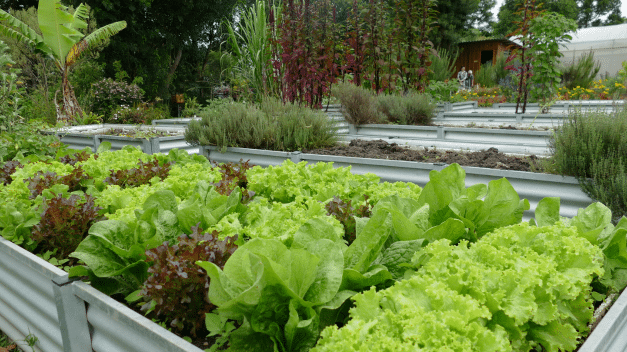
Image: Urban Farm in Curitiba – PR – Gustavo Porpino